
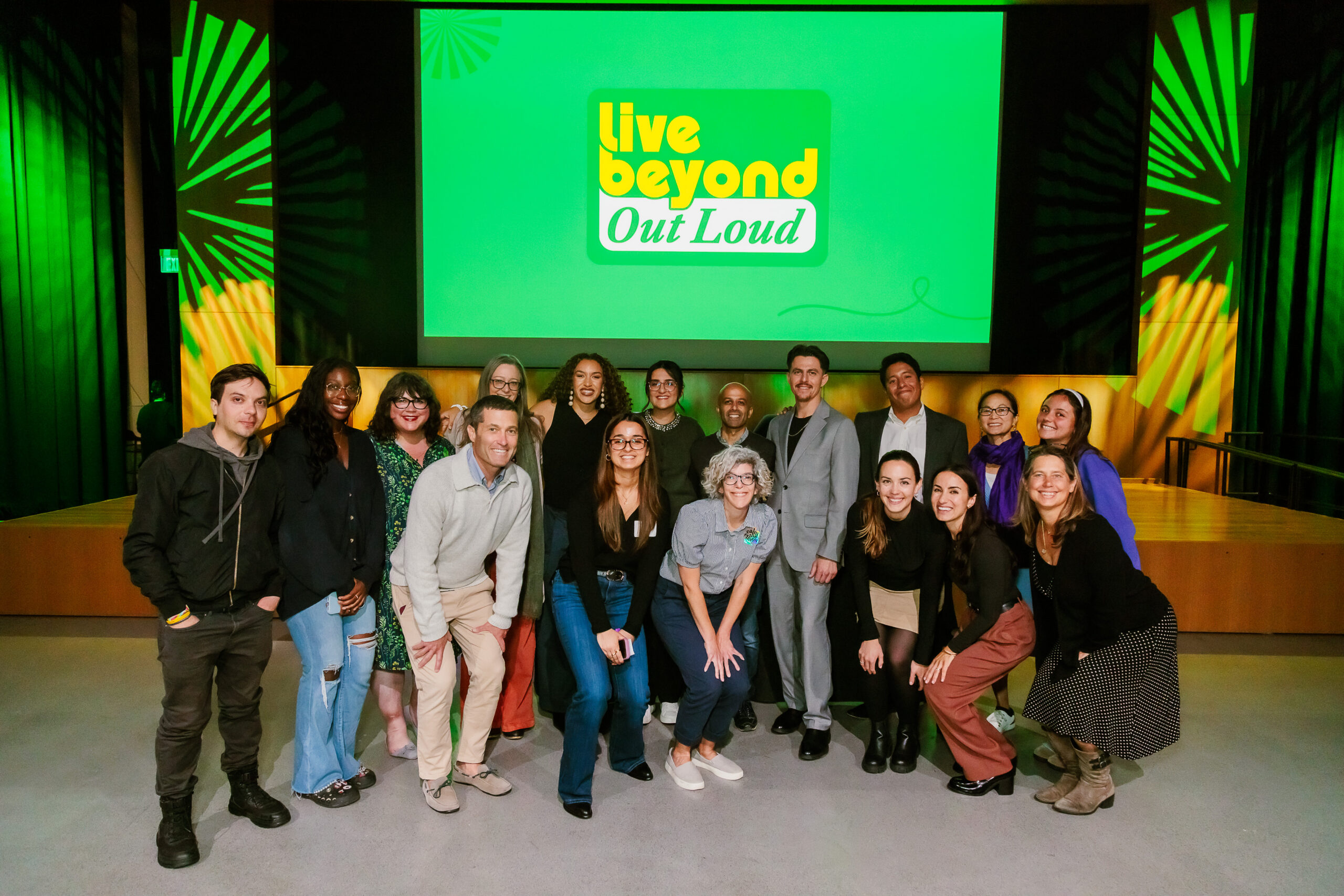
Our Live Beyond x KQED event marked the end of a campaign. It also felt like an optimistic new beginning.
Campaign closeouts are bittersweet.
Hopefully your campaign did what needed to be done and is leaving the people it serves—and the world—in a better place. On the other hand…there’s always so much more work to be done.
That’s especially true in social impact work. We know campaigns are going to end. The goal is to design them so the impact carries on long after the campaign itself is over.
And on a more nuts-and-bolts level, how do you spend that last chunk of budget on One Last Big and Meaningful Activation? Something that celebrates the progress your campaign has made while keeping the momentum going after the billboards go down?
About six months ago, we started planning the June 2026 end of Live Beyond—the Adverse Childhood Experiences (ACEs) and toxic stress awareness campaign we created for the Office of the California Surgeon General.
In brainstorming our final event for Live Beyond, we knew it had to reflect the campaign’s enduring positive impact on young adults and caregivers in California while inspiring some new folks to begin their own healing journeys (because it’s never too late).
That brainstorm ultimately became “Live Beyond Out Loud,” a live and livestreamed conversation featuring some of Live Beyond’s own youth advisors—who’ve kept it real with us from the beginning through their creativity, lived experiences, feedback, and eye-opening insights.
Our partner and venue: KQED, the Bay Area’s legendary public media outlet and home to Northern California’s NPR and PBS.
Given public broadcasting’s commitment to elevating underrepresented voices (and in light of recent federal cuts), KQED felt like an obvious choice to support.
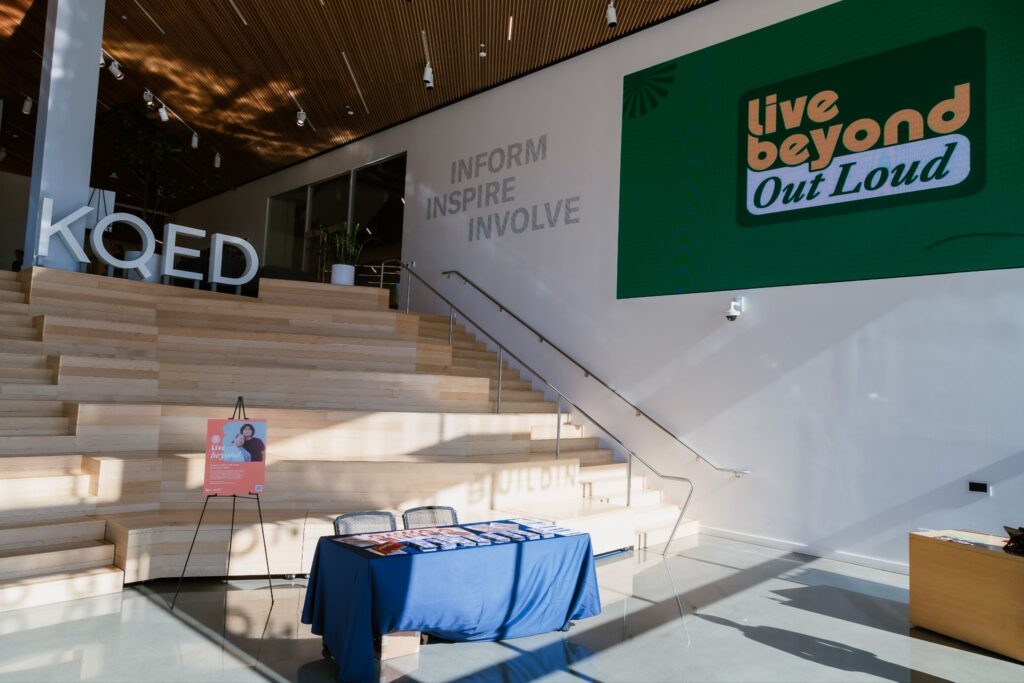
But it wasn’t just about finding a venue. It was about finding a partner that could help the conversation—and the impact—live beyond the life of the campaign.
Some reasons we chose KQED:
- Credibility and trust around mental health and ACEs-related topics
- A uniquely engaged audience built through community funding and support
- “KQED Live” series that reflects how younger audiences are engaging with cultural conversations, livestreaming, digital content, and IRL experiences
- One of the Bay Area’s most trusted media institutions, with Sacramento simulcasts and reach across California
- Studio and production capabilities that allowed us to create high-quality live and post-event content
This post-event content was key to our goal of creating something that would resonate beyond the end of the campaign. It was also an opportunity to blend public media storytelling with public health awareness in a way we hadn’t seen before.
In other words, we were doing more than designing a closing event. We were designing a bridge.
Living beyond Live Beyond
You can check out the broadcast of the event here.
“Live Beyond Out Loud” took place at KQED’s headquarters in San Francisco on May 6, coinciding with Mental Health Awareness Month and just days before ACEs Awareness Day.
It felt less like a formal panel and more like sitting in on a deep, lively conversation among friends.
The discussion was moderated by artist and community organizer Jada Imani Carter. She was joined by Setareh Harsamizadeh Tehrani, Program Coordinator at the UCSF Center for Child and Community Health; Justin Martinez, school social worker and a leader at Ever Forward Club; and Jose Cruz, crisis stabilization provider for youth and families in the Bay Area.
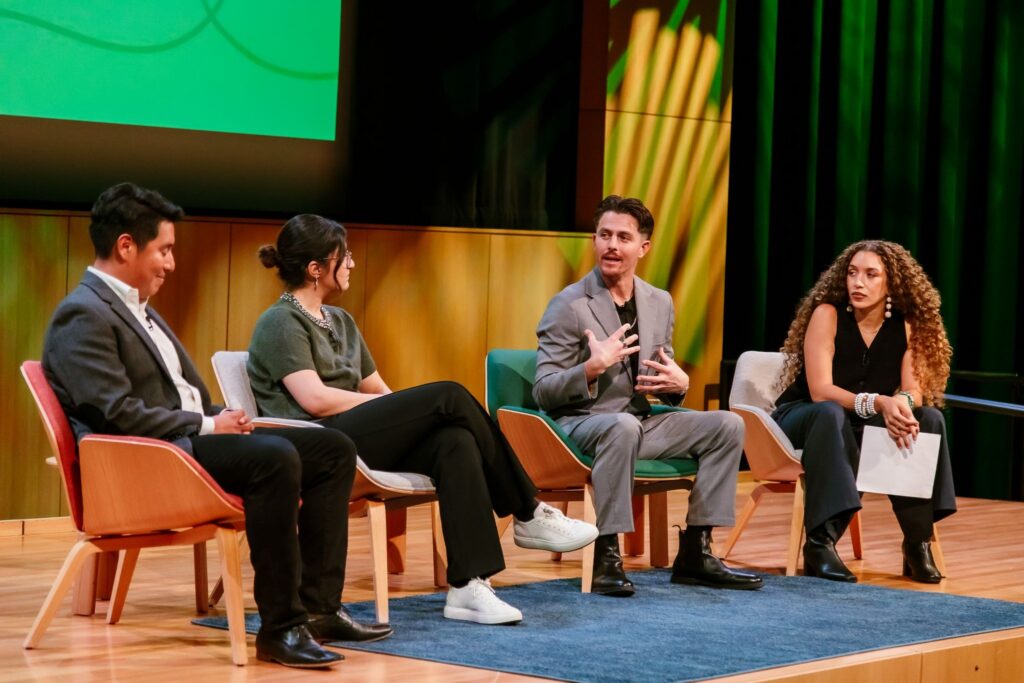
Together they talked about letting your guard down to explore your emotions and build connections (“heart work is hard work”), confronting toxic masculinity, and the connection between stress and neurodivergence. And they shared practical ideas for how to lock into a healing practice when your mind feels scattered and overwhelmed.
There were also some surprising and memorable stress-busting techniques—from cold plunges (“there is no stress in the cold water, it’s just your breath—there’s no worry, there’s no pain, there’s no anger”) to taking photos of flowers at the grocery store and revisiting them when you need a moment of calm.
And there were thoughtful insights for adults working with young people, including how to “normalize and humanize” yourself when talking with teens who aren’t exactly eager to discuss their feelings.
We left feeling hopeful about the future and wanting to dunk ourselves in cold water (in a good way).
But more importantly, we were reminded of what we think about often in social impact work:
Awareness campaigns don’t end when the media buy ends.
The strongest campaigns leave behind something more durable: trusted messengers, useful resources, community connections, and conversations people continue having long after the campaign itself is over.
That’s what we were aiming for with “Live Beyond Out Loud.”
Not simply a closing event, but a handoff—to the young people, caregivers, practitioners, and community leaders who will continue this work every day.
Because when the goal is healing, resilience, and mental health, success isn’t just about running a successful campaign.
It’s about helping create the conditions for progress to continue long after the campaign is wrapped.
That’s how we’ve always thought about social impact work. The campaign may have an end date. The work doesn’t.