
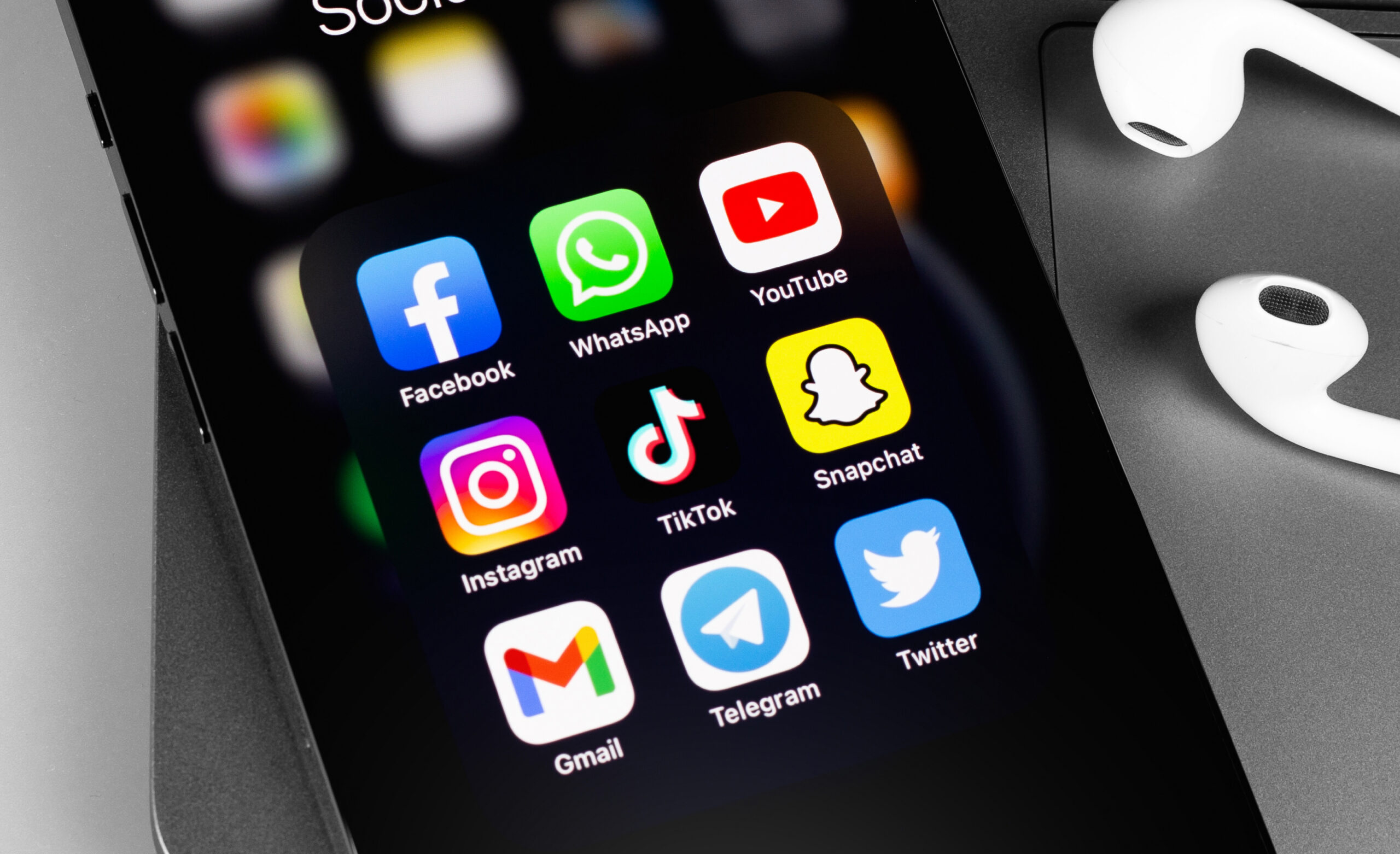
Meta lawsuits: Can social media harm? Yes. Can social media help? Also yes.
At Civilian, social media isn’t just a distribution channel—it’s one of the places where real conversations about social good, public health, and culture are happening every day.
It’s also complicated.
We use social media platforms to put life-saving information within reach—whether that’s suicide prevention and help-seeking messaging through our Never a Bother campaign, or creating space for young people to share stories of healing through our Live Beyond campaign. These campaigns help others feel seen, heard, and less alone. When it works, social can reduce stigma, normalize reaching out, and move someone to stop scrolling so they can take that next beneficial step.
But we’re not naive about the environment we’re working in.
The same systems that can connect people to support are also designed to keep them hooked on their feeds. That tension is at the center of a flurry of lawsuits against Big Tech.
On Tuesday, a jury in New Mexico found that Meta’s social media platforms are harmful to children’s mental health. The next day, a jury in California reached a similar verdict against Meta and Google, to the tune of $3 million in compensatory damages and $3 million in punitive damages. And these are just two cases in a wave of “social media addiction” lawsuits making their way through courts nationwide.
Outside the US, in December 2025, Australia passed the first national law setting a minimum social media age of 16—putting responsibility on platforms, not kids. Across Europe, similar efforts are gaining traction, with countries like Denmark and France exploring or advancing under-15 social media restrictions.
This moment feels like a turning point. There’s growing agreement that youth mental health and safety can’t be an afterthought.
At Civilian, we welcome that shift. We also know it’s not a simple fix.
Like we said before, it’s complicated. A recent Australian study of 100,000+ adolescents actually found that moderate social media use was linked to the most positive well-being outcomes, compared to “no use” and “high use.” But that’s not surprising when you consider how social media can be a lifeline for marginalized or lonely teens.
Also, young people don’t just log off because rules change. They move, adapt, and find other spaces—sometimes ones with fewer protections. So stepping away from social entirely isn’t the answer.
For us, the question is: how do you use imperfect platforms in a way that actually does more good than harm?
Through our work with young people across California, we see how much online spaces matter—for identity, for connection, and for finding help. So instead of pulling back, we focus on showing up more thoughtfully and building systems that don’t rely on any one platform to carry the weight.
Here’s what that looks like in practice:
- We build surround-sound ecosystems: Our campaigns don’t bet everything on social. Instead, they bring together schools, community partners, after-school and sports spaces, streaming TV and audio, out-of-home, activations, and events. Social is part of the mix, but not the whole strategy. That makes our work more durable and more grounded in real-world connection.
- We design for well-being, not just engagement. With more scrutiny on how platforms drive behavior, we’re extra mindful about the engagement patterns our campaigns rely on. We focus on supportive, actionable messaging—and avoid creative that drives anxiety or “urgency spirals” just to win attention.
- We invest in positive, practical messaging. In moments like this, positive doesn’t mean fluffy—it means protective: clear information, agency, belonging, and next steps. It means giving people something they can do with what they’re feeling.
This is a moment where social media is being regulated and litigated and we are all rethinking its role. That’s a good thing. But in the meantime, people still need trustworthy, human information. They still need to know where to go and what to do next.
That’s the work.
At Civilian, we see ourselves as partners in that work—alongside organizations and communities already putting in the hard, on-the-ground efforts every day. (And alongside the rise of media literacy classes!) Our role is to help bring that work to life in ways that reach people, resonate with them, and make it easier to take action.
We’ll keep showing up with campaigns that protect dignity, encourage help-seeking, and make safety resources easier to find, while building strategies that don’t depend on any one platform. Because for us, this isn’t about getting attention for its own sake. It’s about what happens after. And whether someone gets the help they need when they need it most.